
Ka Mau te Wehi! Unit 17 Kua reri kōrua – Are you two ready
This resource contains unit 17 of 20. Ka Mau te Wehi! is based on levels 1 and 2 of Te Aho Arataki Marau mō te Ako i Te Reo Māori – Kura Auraki Curriculum Guidelines for Teaching and Learning Te Reo Māori in English-medium Schools: Years 1–13.

About this resource
This unit focuses on:
Suggested curriculum link:1.2, 1.5, 1.6, 2.3
Learning intentions: Learn about offering food and drink, names of foods, ask for and give things, plan and perform a show
New words: Hiainu, hiakai, hiamoe, hiawai, homai, anei, āporo, ārani, panana, merengi, pea, kua reri koe? kei hea? kia tere, tahuri mai, menemene, tīkiti, makawe, pūkoro, rūma, tēpu, kāpata, moenga
Ka Mau te Wehi! Unit 17 Kua reri kōrua – Are you two ready
Learning intentions
In this unit ākonga will:
- learn how to offer food and drink to others
- learn how to ask for and give something
- review their understanding of asking and saying where something, or someone, is
- learn to write appropriate language for a specific show.
Success criteria
Before commencing the unit, the kaiako will discuss the learning intentions with ākonga and together agree on appropriate success criteria.
Resources
See Materials that come with this resource to download:
- Unit 17 Kua reri kōrua – Are you two ready (.pdf)
- Unit 17 transcripts (.pdf)
- Unit 17 worksheet A (.pdf)
- Unit 17 worksheet B (.pdf)
- Unit 17 teacher sheet A (.pdf)
Activity 1
Learning intention
Ākonga will learn how to offer food and drink to others.
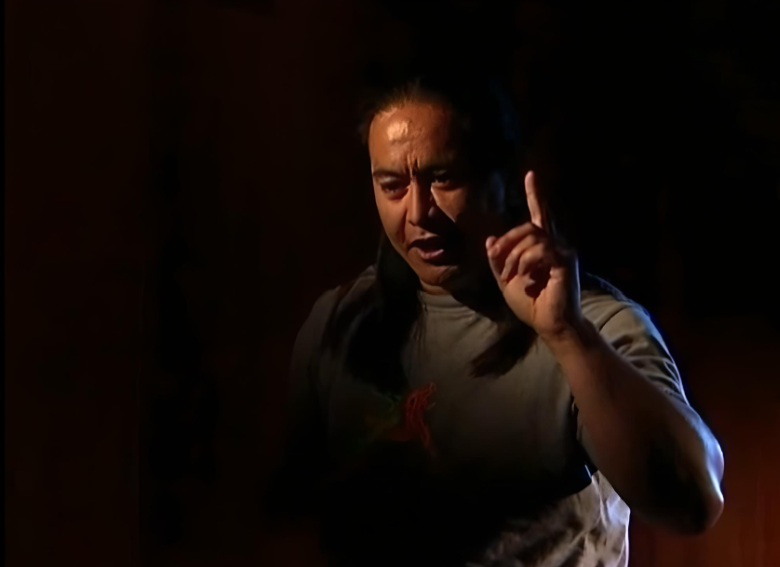
Watch: He kōrero whakamārama: Language similarities te reo Māori and gagana Samoa
The similarities between the Māori and Samoan languages are explained.
Unit 17 He kōrero whakamārama – Language similarities te reo Māori and gagana Samoa
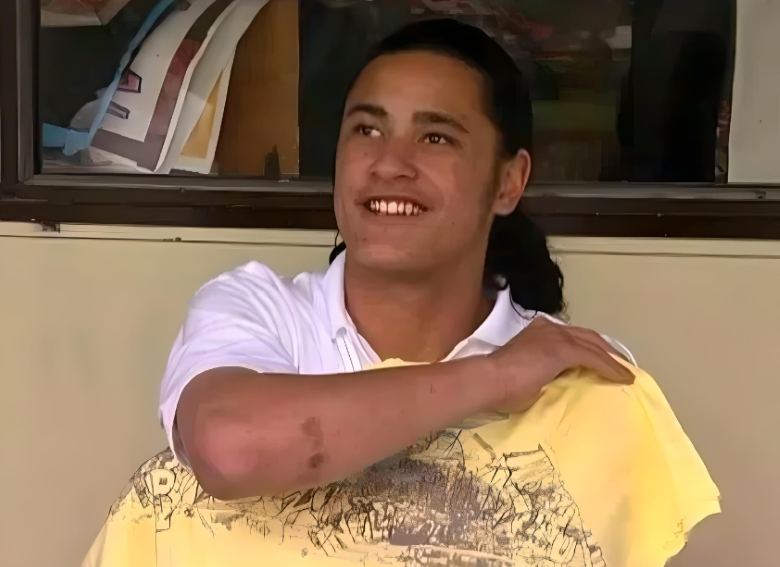
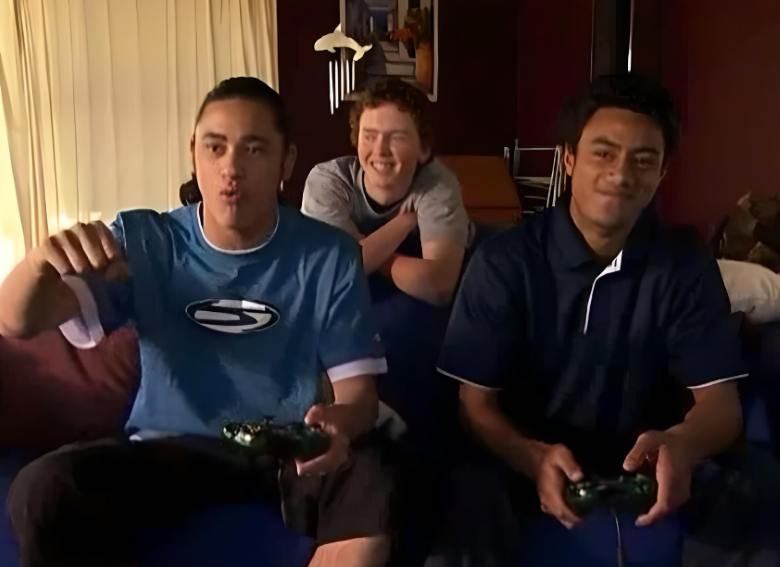
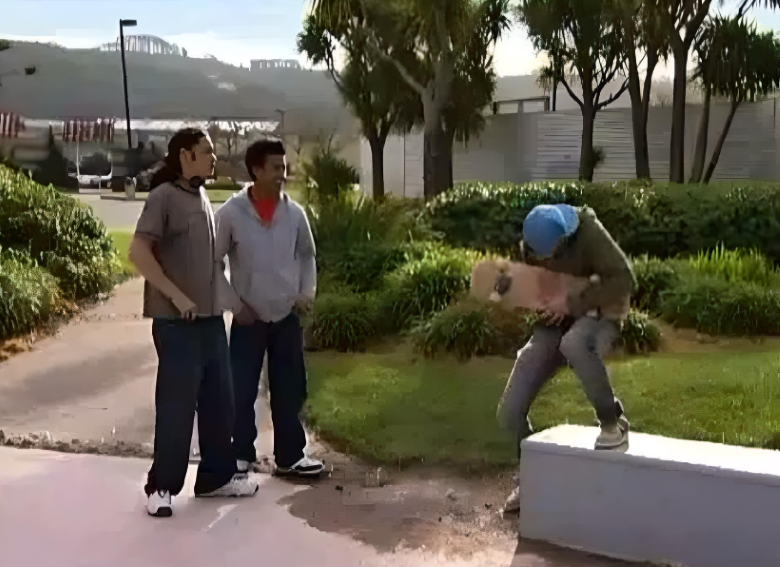
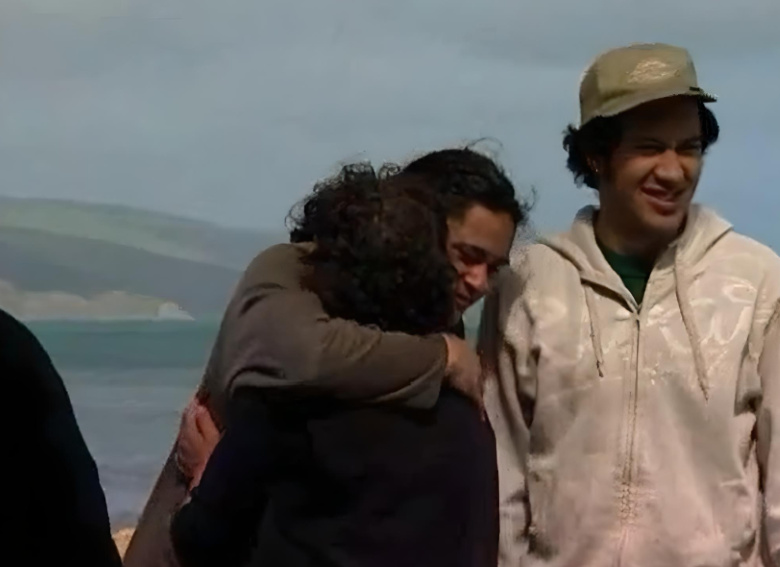
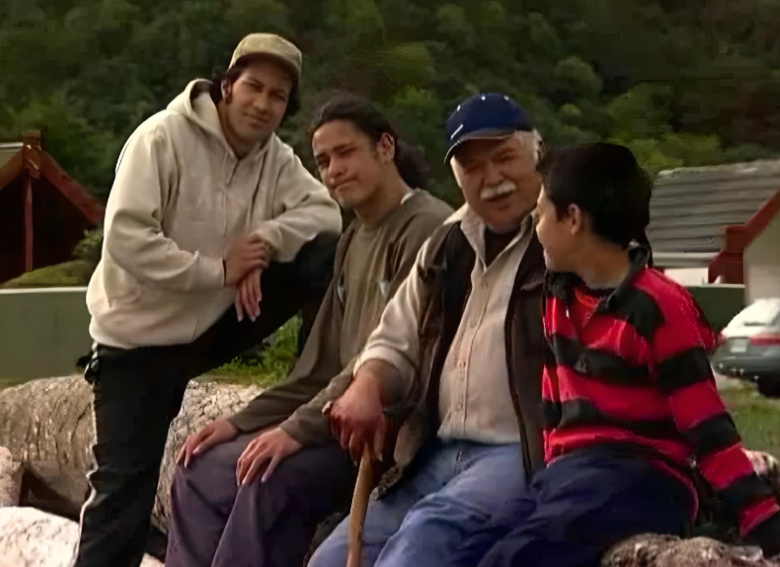
Watch: Unit 17 Scene 1: The boys get ready for the dance
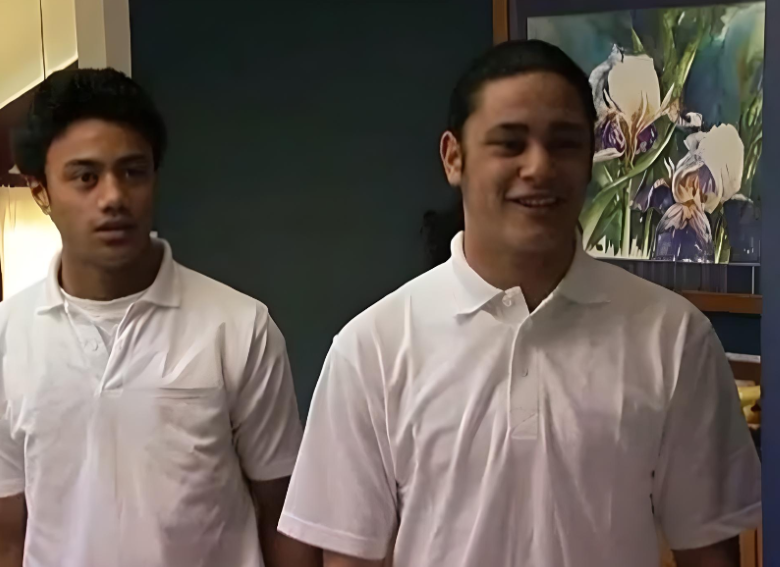
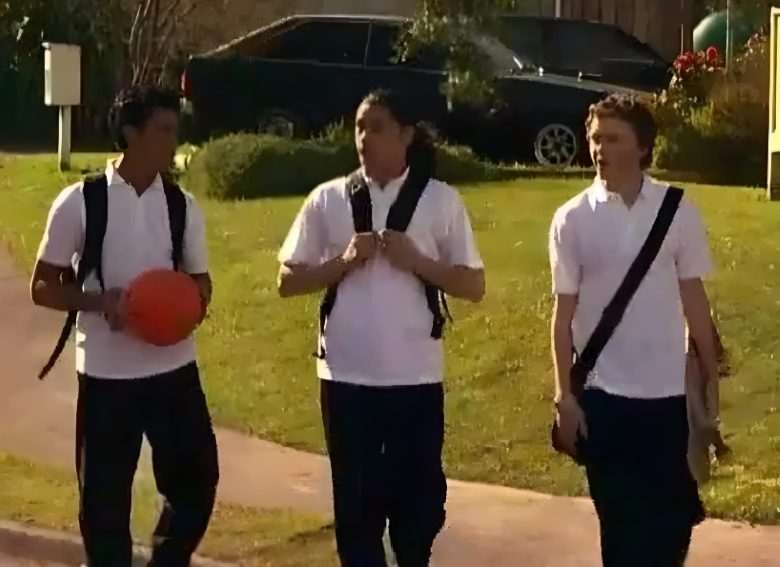
Dylan and Haami meet Sione’s grandmother. Tell ākonga to watch how introductions are carried out and also listen carefully to the language used when Sione offers his friends a drink.
Unit 17 Scene 1: The boys get ready for the dance
Write these sentences on the board:
Kei te hiainu kōrua? |
Are you two thirsty? |
Kāo, e hoa. |
No, (we’re fine, thanks) mate. |
Point out that the word hiainu, (thirsty), is made up of hia from the word hiahia, (to want or to desire), and the word inu (to drink). Other examples are:
- hiakai (hungry)
- hiamoe (sleepy)
Watch: He kōrero whakamārama: Kīwaha, "tino kino te reka!"
This video explains the idiom, Tino kino te reka! The food is wickedly delicious!
Unit 17 He kōrero whakamārama: Kīwaha, “tino kino te reka”
Arrange a shared mid-morning snack of fruit and drink for the class. Ākonga could be asked the day before to bring fruit to share.
Set up the meal and put fruit and water (or fruit juice) in the centre of the table. Arrange the seating around the table. Have ākonga take turns asking the person sitting next to them if she or he would like a drink or a piece of fruit. Encourage them to ask and answer politely. When everyone has had a turn asking and answering the questions, other appropriate sentences could be introduced, such as:
Homai he (name of food) |
Pass me a/an/some ... |
Anei |
Here (is the requested food). |
Sample questions:
Kei te hiainu koe? |
Are you thirsty? Would you like a drink? |
Kei te hiakai koe? |
Are you hungry? Would you like something to eat? |
Kei te hia āporo koe? |
Would you like an apple? |
- āporo (apple)
- ārani (orange)
- panana (banana)
- merengi (watermelon, rockmelon)
- pea (pear)
Activity 2
Learning intention
Ākonga will learn to write for a fashion show.
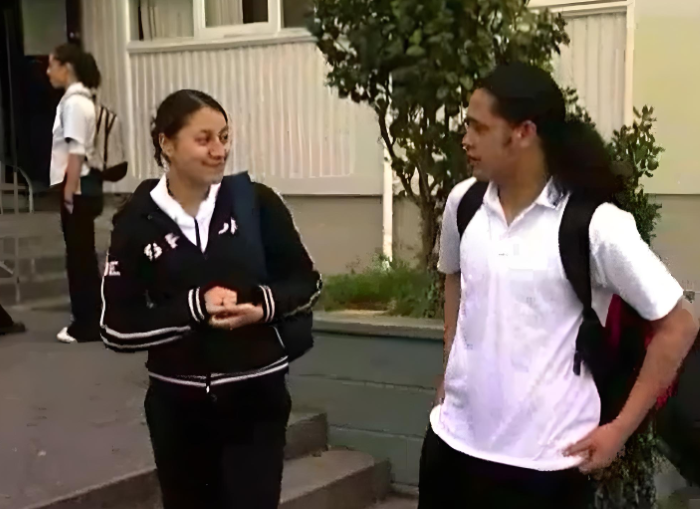
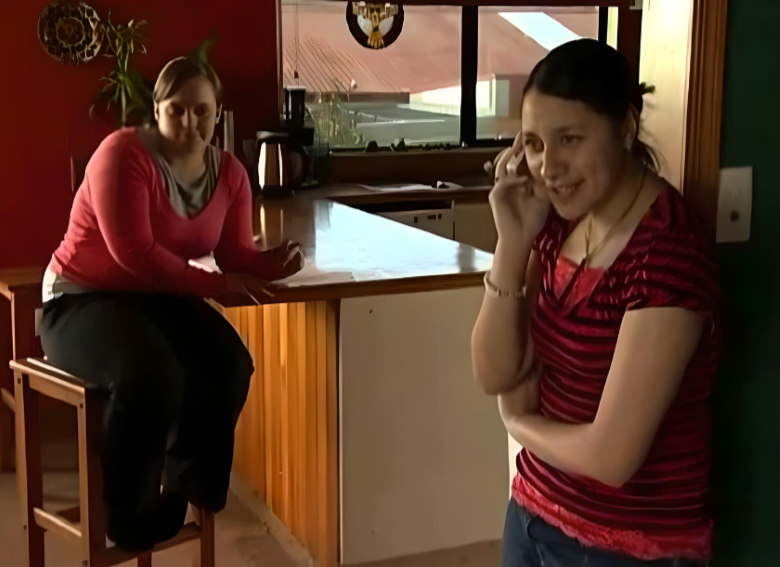
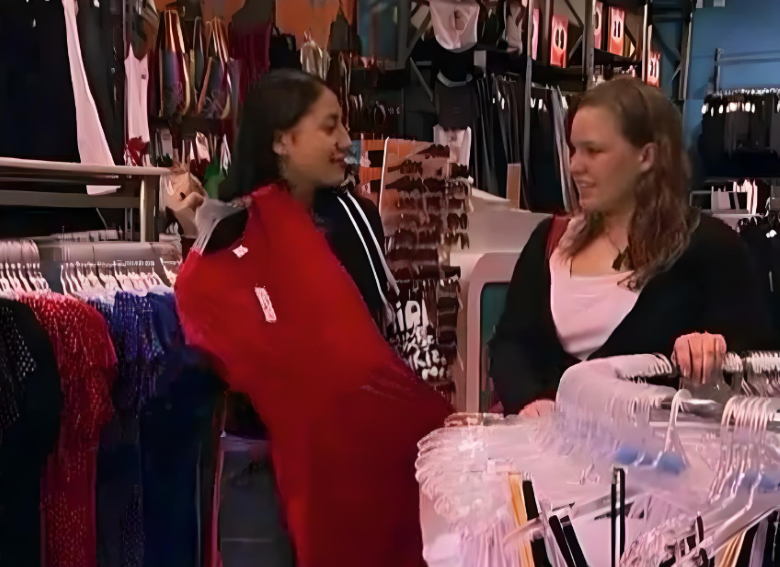
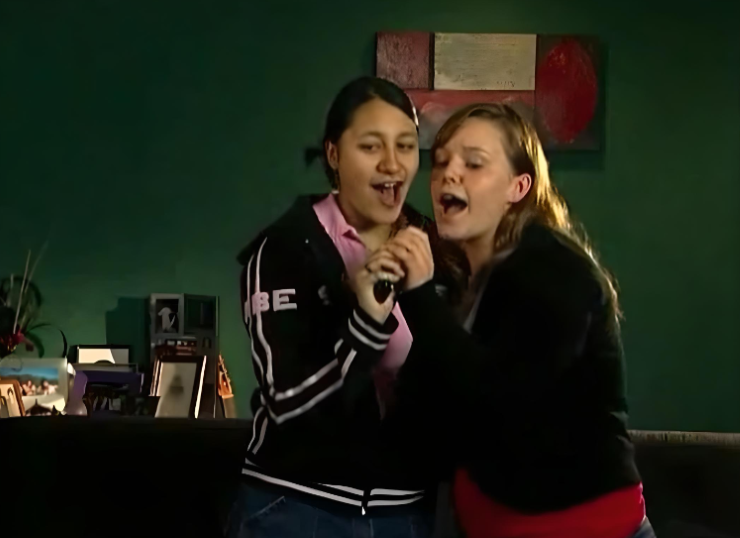
Watch: Unit 17 Scene 2: The girls are getting ready for the dance
Revise colours and items of clothing from Unit 7.
Unit 17 Scene 2: The girls are getting ready for the dance
Hand out Worksheet A. Ask ākonga to write a script for behind-the-scenes at a fashion show and the catwalk commentary. Work in groups of three to four. Ākonga will need to think about the roles. These will include the model(s), the wardrobe manager, and the Master of Ceremonies (MC).
When ākonga in each group are happy with their script, they can hand it to another group to check that it is easy to follow and that all the language is accurate.
Now the groups can practise their show. When every group is ready, have each group perform the show to the whole class.
At the end of this unit, ask ākonga to perform their script. For the closing comment, the MC has to come up with a compliment such as Tō ātaahua hoki! (How beautiful you are!)
Activity 3
Learning intention
Ākonga will review how to ask for and say where something is.
Hand out Worksheet B and ask ākonga to read each question, then each reply carefully to make sure they understand them.
Akonga need to match each question with an appropriate reply. Once they have done this, they should compare their work with someone else’s. Then ask them to select three questions and replies to illustrate in their Wehi books as a dialogue between two people. The illustrations must show that they clearly understand the meaning of each question and its reply. Ask them to use speech bubbles for the dialogue.
Activity 4
Learning intention
Ākonga will work cooperatively to reconstruct a story sequence in te reo Māori.
You will need Teacher sheet A for this activity. Photocopy the sheet onto a light card, then cut into strips with one sentence on each.
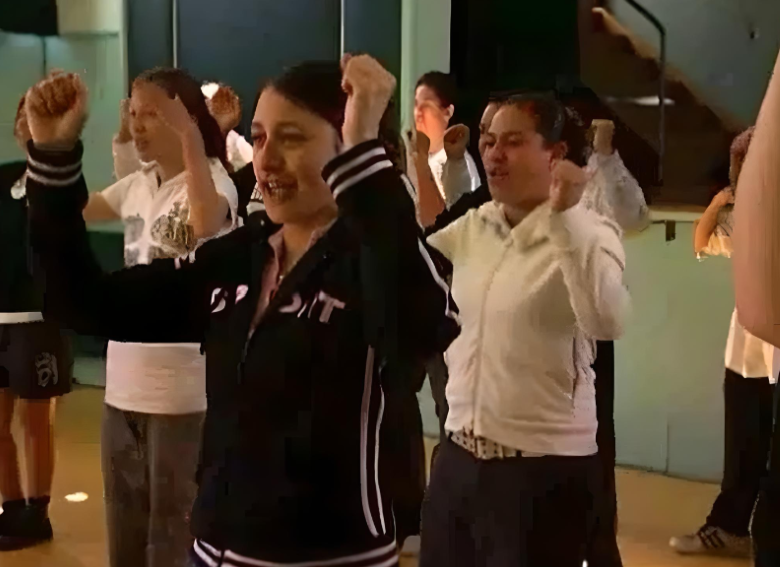
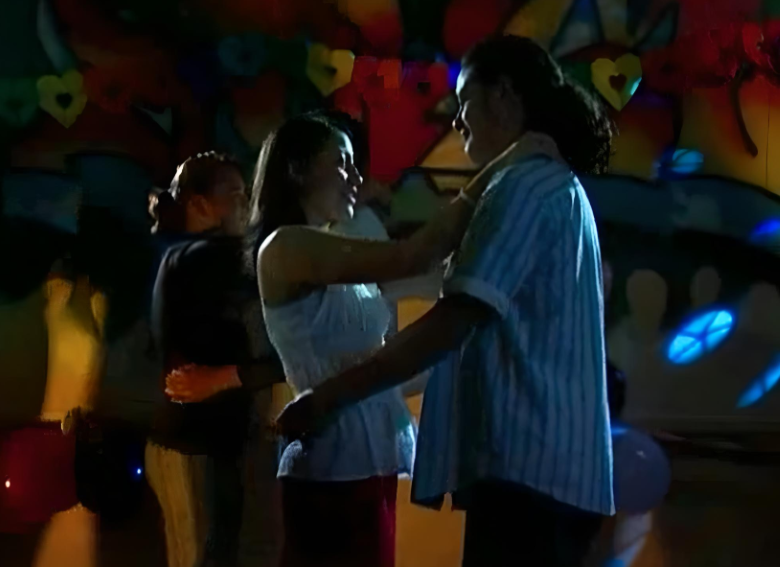
Watch: Unit 17 Scene 3: The girls arrive at the dance
Unit 17 Scene 3: The girls arrive at the dance
Divide the class into groups of six. Each group member receives one card strip. They must read the sentence and not show it to anyone else. They need to work cooperatively to arrange the sentences in the right sequence to make sense. They should ask questions like:
Kei a wai te kāri tuatahi? – Who has the first card?
If a group member thinks they have the first card, then they must read the sentence to the rest of the group. If everyone agrees, then the card can be placed on the floor where the whole group can see it. Then continue by asking:
Kei a wai te kāri tuarua? – Who has the second card?
Ākonga should continue in the same way until they agree that their story is complete.
Heading
Ka Mau te Wehi!
Ka Mau te Wehi! is based on levels 1 and 2 of the draft Te Reo Māori in the New Zealand Curriculum 2007. The section of the resource contains the introduction to the 20 units of work, teaching approaches and the glossary.
1 of 20Ka Mau te Wehi! Unit 1 Ata mārie – Good morning
The purpose of this unit of work is to learn the letter sounds in te reo Māori and how to greet and farewell people.
2 of 20Ka Mau te Wehi! Unit 2 - Kei te haere ki te kura
The purpose of this unit of work is to teach students how to use different ways to introduce themselves, greet others, ask others how they are and where they come from, and respond to selected greetings and questions.
3 of 20Ka Mau te Wehi! Unit 3 Where is your family from
The purpose of this unit of work is to continue the use of introductions, greetings and responses, and to learn the words for yes and no. The students will be introduced to the words whaea and nē.
4 of 20Ka Mau te Wehi! Unit 4 Waea mai - Ring me
The purpose of this unit of work is to learn to count and to ask who and where someone is.
5 of 20Ka Mau te Wehi! Unit 5 Āwhea te kanikani – When is the dance
The purpose of this unit of work is to learn the days of the week, the months of the year and to tell the time in Màori.
6 of 20Ka Mau te Wehi! Unit 6 - Kei hea tō pukapuka
The purpose of this unit of work is to learn how to ask where something is and to respond using appropriate expressions in Màori.
7 of 20Ka Mau te Wehi! Unit 7- What are you wearing to the dance?
The purpose of this unit of work is to learn the words for colours and some articles of clothing, and hear a traditional Màori legend.
8 of 20Ka Mau te Wehi! Unit 8 Titiro ki tēnei! – Look at this
The purpose of this unit of work is to learn how to ask where something is and to respond using appropriate expressions in Màori.
9 of 20Kau Mau te Wehi! Unit 9 Ko wai te toa – Who is the winner
The purpose of this unit is to learn the names of sports, buying clothing, words for woman / man and sportsperson
10 of 20Ka Mau te Wehi! Unit 10 Autaia koe – You are a champion!
This resource contains unit 10 of 20. Ka Mau te Wehi! is based on levels 1 and 2 of Te Aho Arataki Marau mō te Ako i Te Reo Māori – Kura Auraki Curriculum Guidelines for Teaching and Learning Te Reo Māori in English-medium Schools: Years 1–13.
11 of 20Ka Mau te Wehi! Unit 11 Kapa haka – Culture club
The purpose of this unit of work is to revise telling the time in Māori, understand what kapa haka is and participate in kapa haka activities.
12 of 20Ka Mau te Wehi! Unit 12 Kia kaha Aotearoa
The purpose of this unit of work is to learn the New Zealand national anthem, be able to talk about sport in Màori and learn about the tribal areas of New Zealand.
13 of 20Ka Mau te Wehi! Unit 13 Ko te hui-ā-whānau – Family reunion
TUnit 13 of 20. Ka Mau te Wehi! is based on levels 1 and 2 of Te Aho Arataki Marau mō te Ako i Te Reo Māori – Kura Auraki Curriculum Guidelines for Teaching and Learning Te Reo Māori in English-medium Schools: Years 1–13.
14 of 20Ka Mau te Wehi! Unit 14 Tō tātou maunga – Our mountain
Unit 14 of 20. Ka Mau te Wehi! is based on levels 1 and 2 of Te Aho Arataki Marau mō te Ako i Te Reo Māori – Kura Auraki Curriculum Guidelines for Teaching and Learning Te Reo Māori in English-medium Schools: Years 1–13.
15 of 20Ka Mau te Wehi Unit 15 Te tākaro pā whutupōro – Touch rugby
The purpose of this unit of work is to learn the Māori creation story and other Māori myths and legends. Students will also revise vocabulary around sport.
16 of 20Ka Mau te Wehi! Unit 16 He kōrero aroha – A love story
The purpose of this unit of work is to learn and develop knowledge about the maraeand marae protocol.
17 of 20Ka Mau te Wehi! Unit 18 Te kanikani – The dance
The purpose of this unit of work is to extend learning about likes and preferences, to learn how to talk about future time and to learn the words of a waiata.
18 of 20Ka Mau te Wehi! Unit 19 – Come to the market
Unit 19 of 20. Ka Mau te Wehi! is based on levels 1 and 2 of Te Aho Arataki Marau mō te Ako i Te Reo Māori – Kura Auraki | Curriculum Guidelines for Teaching and Learning Te Reo Māori in English-medium Schools: Years 1–13.
19 of 20Ka Mau te Wehi! Unit 20 Mā wai te haka e tātaki
The purpose of this unit of work is to learn about well-known waiata and how to perform these waiata as a group
20 of 20